What Happens If You Delay Periodontal Treatment in Ventura?

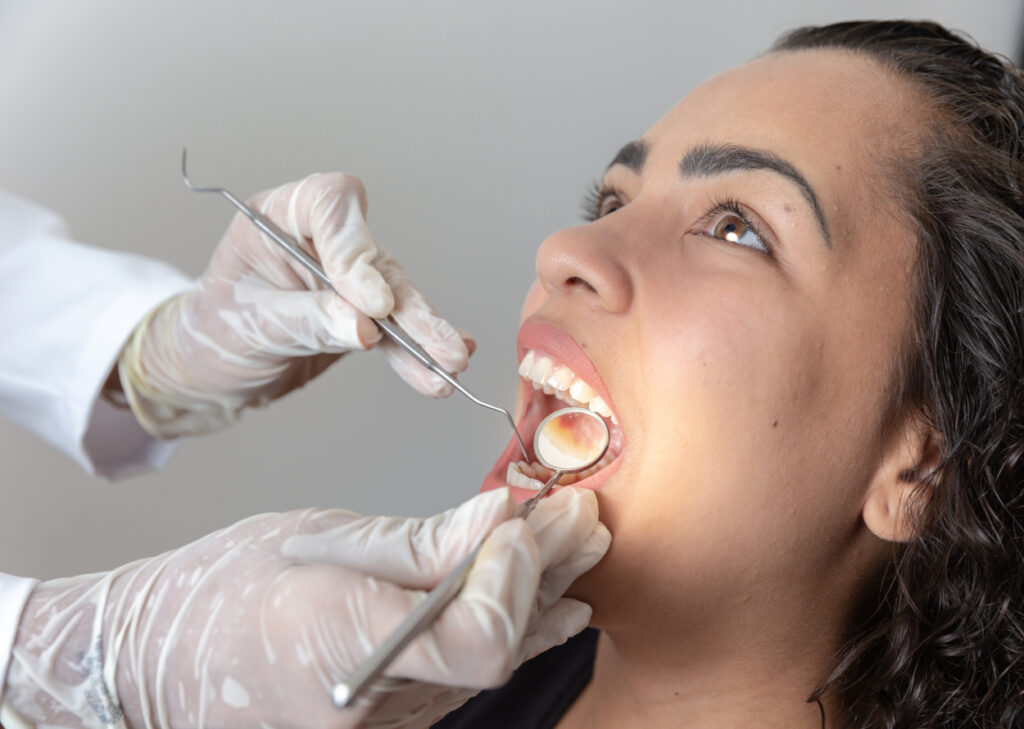
A little gum bleeding is easy to dismiss. Many people do. They notice pink in the sink, a little tenderness while flossing, or bad breath that keeps coming back, and they assume it is minor. Life gets busy, the discomfort fades, and the dental visit gets pushed to next month, then next season.
That delay can be expensive.
Periodontal disease, often called gum disease, rarely starts with dramatic pain. It usually begins quietly, with inflammation around the gums caused by bacterial buildup. Early on, the damage may still be reversible. Wait too long, and the problem can move deeper, affecting the tissues and bone that support the teeth. By the time a patient feels real pain or notices loose teeth, the disease has often had months or years to progress.
For patients looking into Periodontal Treatment Ventura providers offer, timing matters as much as the treatment itself. Early care tends to be simpler, less invasive, and less costly. Delayed care often means more complex treatment, more appointments, and a harder road back to a stable mouth.
Why gum disease often gets ignored
One of the trickiest things about periodontal disease is that it does not always behave the way people expect illness to behave. There is often no sharp warning sign in the beginning. Cavities can hurt. A cracked tooth can make itself known immediately. Gum disease is different. It tends to advance quietly.
A patient may tell a dentist, “My gums bleed sometimes, but they don’t really hurt.” That is common. Bleeding gums are not normal, even if they are painless. Healthy gums do not bleed regularly when brushing or flossing. Bleeding is a signal of inflammation, and inflammation around the gumline is where the story usually starts.
In Ventura, as in most coastal communities, people often balance work, family schedules, outdoor activities, and travel. Preventive health appointments can slip down the list. If the symptoms seem mild, it becomes easy to wait. Some patients also feel embarrassed when their gums look unhealthy, which leads them to postpone care even longer. Ironically, early periodontal visits are often straightforward and far less uncomfortable than people fear.
What is happening below the gumline
To understand the cost of delaying care, it helps to know what periodontal disease actually does.
Plaque, a sticky bacterial film, collects on teeth every day. If it is not removed thoroughly, it hardens into tartar. Tartar cannot be brushed away at home. Once it sits along and below the gumline, it creates a rough surface that attracts more bacteria. The gums respond with inflammation. They may swell, bleed, and pull slightly away from the teeth.
As those tissues separate, periodontal pockets can form. These pockets become protected spaces where bacteria thrive. The deeper the pocket, the harder it is to clean with a toothbrush or floss. Over time, the infection can damage the ligament fibers and the supporting bone around the teeth.
That bone loss is the turning point. Gingivitis, the earliest stage, affects the gums and is often reversible with professional care and better home habits. Periodontitis, the more advanced stage, involves attachment loss and bone destruction. At that point, treatment can control the disease, but it cannot simply restore everything to the way it was before.
This is why delay matters so much. The problem is not just bad breath or occasional bleeding. The real risk is losing the support system that keeps teeth stable.
The first costs of waiting are subtle
When periodontal treatment is postponed, the earliest consequences often seem manageable. Gums may look puffy. They may bleed while brushing. Breath may smell unpleasant even shortly after cleaning. Some people notice a bad taste in the mouth that comes and goes.
These signs are easy to normalize. Patients often adapt. They brush around tender spots. They avoid flossing where it bleeds. They chew on the other side. The mouth compensates for a while.
That period of adaptation is deceptive. The absence of severe pain does not mean the disease is inactive. In fact, chronic gum infections often continue causing tissue breakdown with little dramatic discomfort. A patient may arrive for an exam feeling mostly fine, then learn that several areas already show moderate bone loss and deep pockets.
I have seen patients genuinely surprised by this. From their perspective, the symptoms felt cosmetic or minor. From a clinical perspective, the supporting structures were already compromised.
Delay can turn a simple cleaning into periodontal therapy
When people seek treatment early, they may only need a professional cleaning, localized therapy, and improved home care. When they wait, the treatment plan often changes.
A standard cleaning is designed for maintenance in a generally healthy mouth. It removes plaque and tartar above the gumline and slightly below it in shallow, healthy spaces. Once deeper periodontal pockets have formed, a routine cleaning is no longer enough. Bacteria and hardened deposits sit farther below the gums, where they must be carefully removed.
That is when scaling and root planing often enters the picture. This deeper cleaning targets the tooth roots beneath the gumline and smooths those surfaces to discourage further bacterial accumulation. In some cases, local antimicrobial agents are used. In more advanced disease, referral to a periodontist may be appropriate for surgical treatment, gum grafting, or regenerative procedures.
What could have been a preventive visit can become a multi-appointment treatment sequence.
For many patients, that is the first hard lesson in delaying Periodontal Treatment Ventura dentists recommend. The mouth rarely stays in one place. It moves either toward health or farther from it.
Bone loss changes the long-term outlook
The most serious effect of delayed periodontal https://landenuufi184.pinehavenscope.com/posts/how-periodontal-treatment-in-ventura-can-save-your-teeth treatment is bone loss around the teeth. Teeth are not anchored in the jaw like fence posts in concrete. They are supported by a living system made up of bone, ligament, gum tissue, and blood supply. Once periodontal disease begins to destroy that support, the teeth can gradually loosen or shift.
At first, the changes may be small. A patient might notice that floss catches in a new space or that food gets trapped between teeth that used to fit tightly together. They may think a filling came loose or that their bite feels “off.” Often, what they are noticing is migration. As support diminishes, teeth can drift.
Front teeth may begin to flare or spread. Molars may become less stable under pressure. Chewing becomes less efficient. Biting into firmer foods can feel uncertain.
Bone loss also limits future options. If a tooth eventually needs to be removed, significant periodontal destruction may make replacement more complicated. Dental implants, for example, need adequate bone support. If the bone has shrunk substantially, grafting may be required before implant placement is possible. That adds time, cost, healing, and complexity.
This is one of the most important realities patients should understand. Delayed periodontal treatment does not just affect the present condition of the gums. It can shape the next decade of dental care.
Tooth loss is rarely sudden, but it is often predictable
People sometimes imagine tooth loss as a sudden event, like breaking a tooth on something hard. In periodontal disease, tooth loss is usually a slow process with warning signs along the way.
A tooth may become slightly mobile. The gums around it may recede. An area may abscess and settle down, then flare again. Chewing may become uncomfortable. A patient may avoid using that side for months. At some point, the tooth becomes difficult to save predictably.
That is the painful part, especially when the tooth itself has little decay and might otherwise have lasted many more years. Patients often say, “I didn’t realize it had gotten this bad.” That reaction is understandable. Gum disease can destroy support around a relatively intact tooth without causing the type of obvious structural breakdown people associate with dental trouble.
Saving natural teeth is almost always the preferred goal when the prognosis is reasonable. But the window for saving them narrows as periodontal damage advances.
Your gums can affect more than your mouth
Dentists need to be careful not to overstate broad health claims, but one point is well established: chronic inflammation in the mouth is not something to ignore. Gum disease is a persistent inflammatory condition. It can complicate overall wellness, especially in people who already manage systemic conditions.
Patients with diabetes often face a more difficult periodontal picture, and uncontrolled gum inflammation can make blood sugar management harder. Smokers typically heal less predictably and may not notice the classic signs of bleeding early enough, which can make disease appear less severe than it really is. Pregnant patients, people under heavy stress, and those taking certain medications may also experience changes in gum health that deserve prompt attention.
Not every person with periodontal disease will develop broader health complications, and dentists should not claim that treating gums cures unrelated illnesses. Still, leaving a chronic oral infection untreated is not neutral. It creates an ongoing inflammatory burden the body continues to deal with.
The financial trade-off is usually backward from what patients expect
Many people delay treatment because they are worried about cost. That concern is real. Dental care is an investment, and not every patient has robust insurance coverage. But the financial logic of postponement often backfires.
Early treatment may involve an exam, imaging, periodontal charting, a professional cleaning or scaling and root planing, and consistent maintenance. Delayed treatment can lead to additional imaging, specialist referral, surgical procedures, extra maintenance visits, emergency care for flare-ups, extractions, bone grafting, implants, bridges, or removable tooth replacement.
The pattern is familiar. A patient avoids a few hundred or a couple thousand dollars in earlier care, only to face several times that amount later when the disease has affected multiple teeth and supporting bone. The emotional cost is often worse than the financial one. People feel frustrated that they waited, especially when they learn that earlier treatment could have preserved more of their natural support.
That does not mean every mild gum problem spirals into major reconstruction. Some cases remain manageable for a long time, especially if the patient has excellent home care and favorable health factors. But betting on that outcome is rarely wise. Periodontal disease tends to progress, not resolve on its own.
How delay affects appearance and confidence
The cosmetic side of periodontal disease matters more than many clinicians acknowledge. Gums frame the teeth. When they become inflamed, puffy, or receded, the smile changes. Teeth can start to look longer as roots become exposed. Dark spaces can appear between teeth near the gumline. Front teeth may spread apart.
For some patients, this is the moment they finally seek care. They may not have been bothered by occasional bleeding, but they are alarmed when they see visible changes in the mirror or in photos. Unfortunately, some of those changes reflect lost tissue support and are not fully reversible.
There is also the issue of breath. Persistent bad breath from periodontal infection can affect social ease, work interactions, and self-confidence. Patients often spend money on mouthwash, mints, or whitening products when the real problem is bacterial accumulation below the gumline. Cosmetic fixes do not reach the source.
Ventura patients face a few practical local realities
Ventura has a laid-back rhythm, but that can work against preventive dental care. People here often spend a lot of time outdoors, juggle commutes, manage family calendars, or run small businesses that make it hard to step away for appointments. It is easy to postpone treatment when the symptoms are not dramatic.
There is also a common assumption that if teeth look fairly white and intact, the mouth must be healthy. That is not always true. A person can have attractive enamel and still have significant periodontal disease. Gum health and tooth appearance do not always progress together.
Coastal living can also encourage habits that sound healthy but do not substitute for periodontal care. Green juices, fitness routines, and hydration are excellent for general wellness, but they do not remove tartar under the gums. Neither do whitening strips, charcoal toothpaste, or “natural” oral rinses marketed online. When active periodontal infection is present, mechanical removal of deposits and bacteria is what matters.
Signs that should not wait
Some periodontal symptoms deserve prompt evaluation rather than another few months of watchful waiting. These include the following:
- Gums that bleed regularly during brushing or flossing
- Persistent bad breath or a constant bad taste
- Gum recession, teeth that look longer, or new spaces between teeth
- Tender, swollen gums or pus around the gumline
- Teeth that feel loose, shift, or hurt when chewing
None of these signs automatically means severe periodontitis, but each one justifies a professional exam. The earlier the diagnosis, the more conservative the treatment is likely to be.
What treatment may involve once you finally come in
Patients often imagine periodontal treatment as one dramatic procedure. More commonly, it is a process. The exact plan depends on pocket depths, bleeding levels, bone support, medical history, smoking status, and how consistently the patient can maintain home care.
A typical path may include a thorough periodontal evaluation, full charting of pocket measurements, updated X-rays when indicated, and a discussion of risk factors. If disease is present, treatment often starts with scaling and root planing. After healing, the office re-evaluates the tissues to see how the gums responded. Some areas improve enough to move into periodontal maintenance. Others may still require specialist treatment.
The maintenance phase is where many long-term outcomes are decided. Patients sometimes assume treatment is complete once the deep cleaning is done. In reality, periodontal disease management often requires ongoing professional maintenance at shorter intervals than standard six-month cleanings. For some patients that means every three or four months, at least for a period of time.
This can feel inconvenient at first. Yet those visits are usually what keep the disease stable and protect the investment already made in treatment.
Home care matters, but it has limits
It is worth saying plainly: brushing harder is not the answer. Once tartar and bacterial deposits are lodged below the gumline, home brushing alone cannot remove them. Flossing is essential, and many patients could absolutely improve their daily technique, but home care cannot substitute for professional periodontal treatment when disease is established.
After treatment, though, home care becomes critical. Daily plaque disruption is what helps maintain the results achieved in the office. The best professional care in the world struggles if a patient goes back to inconsistent brushing, skips interdental cleaning, or continues smoking heavily without any changes.
The most successful periodontal patients are not always the ones with perfect mouths at the start. They are often the ones who become consistent. They show up for maintenance, ask practical questions, and make realistic improvements they can sustain.
When waiting a little might be reasonable
There are a few edge cases worth acknowledging. Not every irritated gumline is advanced periodontal disease. Temporary inflammation can sometimes be related to a rough flossing technique, a new retainer, mouth breathing, hormonal shifts, or a local food trap. In those situations, a dentist may recommend monitoring a small area after cleaning and improved home care.
That is different from ignoring generalized bleeding, deep pockets, radiographic bone loss, or mobility. The judgment call matters. A good clinician will not over-treat mild irritation, but they also will not pretend established periodontitis is likely to settle on its own.
This is where a proper exam earns its value. Guesswork at home has limits.
What patients usually wish they had done sooner
When people finally get periodontal care after delaying it, their comments are remarkably similar. They often wish they had come in when the problem first seemed small. They wish they had not assumed bleeding was normal. They wish they had understood that gum disease could threaten otherwise healthy-looking teeth.
They are also often surprised by something else: treatment was not as bad as they imagined. The anticipation was worse than the appointment. Once they had a diagnosis and a plan, the uncertainty eased.
That is a helpful reminder for anyone putting off care in Ventura. Anxiety tends to grow in silence. Facts usually make the situation more manageable.
The real consequence of delay
The real consequence of delaying periodontal treatment is not a single dramatic event. It is gradual loss, of healthy gum attachment, of bone support, of treatment simplicity, of financial efficiency, and sometimes of natural teeth.
That loss often happens quietly.
If your gums bleed often, your breath stays unpleasant despite brushing, your teeth seem to be shifting, or your dentist has already mentioned pockets or bone loss, it is worth acting now rather than later. Early periodontal care preserves options. Late care often means trying to recover ground that cannot be fully regained.
For anyone searching for Periodontal Treatment Ventura professionals provide, the best time to schedule that evaluation is usually before the symptoms force the issue. Healthy gums are easy to take for granted. Rebuilding support after it is lost is much harder.
Avra Dental
Address: 1708 S Victoria Ave B, Ventura, CA 93003
Phone number: (805) 941-1001
FAQ About Periodontal Treatment Ventura
Can a dentist get rid of periodontal disease?
A dentist or gum specialist (periodontist) cannot fully cure or reverse advanced periodontal disease (periodontitis), but they can successfully stop its progression and manage the infection.
Is periodontitis very serious?
Yes, periodontitis is a very serious, advanced form of gum disease that destroys the bone and tissues supporting your teeth.
How is stage 2 periodontal disease treated?
Stage 2 periodontal disease (early to moderate periodontitis) is primarily treated with non-surgical deep cleaning procedures like scaling and root planing to remove bacteria and tartar below the gumline.
Ends · EDUARDOSPQM544