What Causes Gum Disease and Leads to Periodontal Treatment?

Gum disease rarely begins with pain. That is part of what makes it so deceptive. In the early stage, many people notice a little bleeding in the sink, a faint metallic taste, or gums that seem slightly puffy around one tooth or several. They often assume they brushed too hard or skipped flossing for a few days. Sometimes that is exactly what happened. Sometimes it is the first visible sign of a process that has been developing quietly for months, or longer.
From a clinical standpoint, gum disease is not a single event. It is a progression. Bacteria settle on the teeth and along the gumline. The body reacts. Tissues become inflamed. If the situation is not brought under control, the inflammation can begin to damage the attachment between teeth and gums, then the supporting bone underneath. That is when a patient moves from mild irritation into territory where Periodontal Treatment becomes necessary.
The phrase sounds technical, but the underlying story is very human. Most cases develop from an ordinary combination of habits, biology, and delay. A few are driven by medical conditions or life stages. Nearly all involve a tug of war between bacterial plaque and the body’s ability to keep it in check.
The problem starts with plaque, but it does not end there
The first step in gum disease is usually plaque, a soft, sticky film loaded with bacteria. It forms on teeth every day. Even someone with good oral hygiene develops plaque. The difference lies in how thoroughly and consistently it is removed.
If plaque sits undisturbed at the gumline, the bacteria within it begin to irritate the surrounding tissue. The gums respond with inflammation. At this early stage, called gingivitis, the gums may look redder than usual, bleed during brushing, or feel tender. The key point is that gingivitis is still reversible. The bone and deeper structures supporting the teeth have not yet been permanently damaged.
Trouble deepens when plaque is allowed to mature and harden into calculus, also called tartar. Once that happens, home care loses much of its reach. A toothbrush cannot scrape hardened deposits from the tooth surface, especially below the gumline. Those rough deposits make it easier for more plaque to cling, which intensifies the cycle.
Patients are often surprised to learn that gum disease is not simply a matter of “dirty teeth.” It is an inflammatory disease driven by bacterial biofilm, shaped by immune response, and influenced by local anatomy, medical history, and personal habits. Two people can have similar brushing routines yet experience very different outcomes.
Why the gums bleed
Healthy gums generally do not bleed from ordinary brushing or flossing. Bleeding is a message, not a normal side effect of cleaning. Inflamed gum tissue contains more fragile blood vessels and is more likely to break with minor contact. Many people react by avoiding the area that bleeds, which unfortunately lets plaque accumulate further. That tends to worsen the inflammation rather than calm it.
A common scenario in practice goes like this: a patient notices bleeding for several weeks, brushes more lightly because the area feels sensitive, and stops flossing because it “makes it worse.” By the time they come in, the gums are swollen and there are measurable pockets forming around the teeth. The bleeding was not caused by flossing. It was exposed by flossing.
Gingivitis versus periodontitis
It helps to separate these two clearly, because they are often confused.
Gingivitis affects the gums alone. The tissue is inflamed, but the supporting bone remains intact. With professional cleaning and consistent home care, the condition can usually be reversed.
Periodontitis begins when inflammation extends deeper. The fibers that attach the gums to the teeth start to break down. As this happens, spaces called periodontal pockets form between the tooth and gum. Bacteria and debris collect inside those pockets, where they are difficult to remove with home care. Bone loss can follow. Once bone is lost, it does not simply grow back on its own.
That shift, from surface inflammation to structural damage, is usually what prompts Periodontal Treatment. The goal changes from routine cleaning to disease control, pocket reduction, and preservation of the supporting tissues.
The everyday causes that set gum disease in motion
The most common cause remains inadequate plaque removal over time. That sounds blunt, but it is true. Gum disease often starts in the ordinary gaps of daily life: rushed brushing before work, skipped flossing at night, cleanings postponed for a year or two because nothing hurts.
That said, the causes are often layered. A person may be trying hard and still struggle because the teeth are crowded, a bridge traps food, or an old filling creates a ledge where plaque gathers. Someone else may have dry mouth from medication, which reduces the protective effect of saliva and allows bacteria to flourish more easily.
Several patterns show up repeatedly in patients who need more advanced care:
- Plaque and tartar left undisturbed at the gumline
- Smoking or vaping, which alters healing and masks bleeding
- Diabetes that is poorly controlled
- Hormonal changes, especially during pregnancy or menopause
- A long gap between dental visits, allowing pockets to deepen unnoticed
Each of these can shift the balance toward disease, but they do not all carry the same weight in every patient. Smoking, for example, is one of the strongest risk factors because it affects blood flow, immune function, and the body’s healing response. It can also make the gums bleed less visibly, which delays recognition. I have seen patients with significant bone loss say they had no warning signs because they never saw blood on the toothbrush. Nicotine had helped hide the inflammation in plain sight.
The role of tartar below the gumline
Many people picture tartar as the visible yellow or brown buildup on the back of the lower front teeth. That is only part of the story. Some of the most destructive deposits sit below the gumline where they cannot be seen in a mirror. These subgingival deposits harbor bacteria and keep the pocket environment inflamed.
This is one reason a routine cleaning and Periodontal Treatment are not interchangeable. A standard cleaning focuses on the exposed surfaces of the teeth in a mouth that is otherwise healthy or nearly healthy. Periodontal care is directed at infected pockets and deeper deposits. It is targeted treatment for active disease, not just maintenance.
Medical conditions can change the severity
Gum disease does not exist in isolation from the rest of the body. Certain health conditions can make it more likely to develop, harder to control, or more severe once it starts.
Diabetes is one of the clearest examples. Elevated blood sugar can impair the body’s ability to fight infection and heal. At the same time, active gum inflammation can make blood sugar harder to manage. The relationship runs both ways. In patients with poorly controlled diabetes, it is common to see more swelling, more bleeding, and deeper periodontal pockets than one might expect from plaque levels alone.
Immune disorders, some blood conditions, and medications that affect saliva or gum tissue can also complicate the picture. Dry mouth deserves particular attention. Saliva helps buffer acids, wash away food particles, and regulate the bacterial environment. When it is reduced, whether from antidepressants, antihistamines, blood pressure medications, or other causes, the mouth becomes more vulnerable.
Hormonal changes matter too. Teenagers, pregnant patients, and women going through menopause can experience exaggerated gum responses to the same amount of plaque. Pregnancy gingivitis is a well-recognized example. The gums may become more reactive and prone to bleeding, even when a patient is trying to maintain decent oral hygiene.
Anatomy and dental work can create plaque traps
Not every cause is behavioral or medical. Sometimes the shape of the mouth makes plaque control more difficult. Teeth that overlap, rotate, or crowd tightly can leave narrow areas where a brush bristle barely reaches. Wisdom teeth that partially erupt are notorious for trapping food and bacteria around the back of the mouth. Receding gums can expose root surfaces that attract plaque differently from enamel.
Dental work can help or hinder. A well-made crown should support healthy tissue. A poorly contoured one can trap plaque at the margin. Fillings that overhang slightly between teeth may catch floss or leave a shelf where bacteria accumulate. Orthodontic appliances, aligner attachments, retainers, and bridges all demand more precise cleaning. None of these automatically cause gum disease, but they do raise the skill level required to prevent it.
This is one reason blanket advice often falls short. Telling every patient to “brush and floss better” is not enough if they have a lower retainer collecting tartar behind the front teeth or a bridge pontic that needs special threaders. The details matter.
When gum disease advances enough to require Periodontal Treatment
Periodontal Treatment is usually recommended when the signs point beyond simple gingivitis. The findings vary, but a few clinical markers tend to guide the decision:
- Periodontal pockets deeper than normal, often with bleeding on probing
- Tartar or bacterial buildup below the gumline
- Gum recession or attachment loss
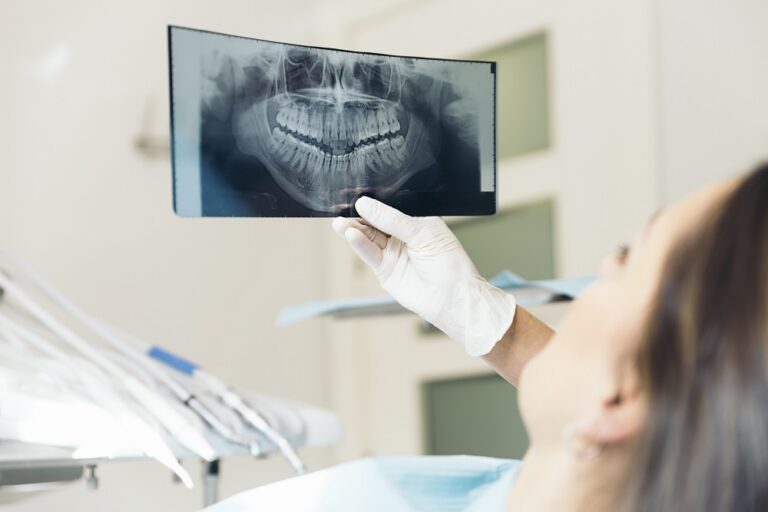
- Bone loss visible on dental X rays
- Tooth mobility, drifting, or changes in bite in more advanced cases
Not every deep reading means severe disease, and not every case progresses at the same speed. That is where professional judgment becomes important. A patient in their late twenties with several 5 millimeter bleeding pockets may need a very different conversation than a patient in their seventies with stable recession and minimal inflammation. Numbers alone do not tell the whole story. Dentists and periodontists look at patterns, risk factors, radiographs, home care, and rate of change over time.
What Periodontal Treatment usually involves
The first phase is often non surgical. This typically includes scaling and root planing, sometimes described as a deep cleaning. The purpose is to remove plaque, tartar, and bacterial toxins from above and below the gumline and to smooth the root surfaces so the tissue can reattach more effectively. Depending on the extent of disease, treatment may be done by quadrant with local anesthesia.
Patients often ask whether scaling and root planing is painful. In well-managed hands, most tolerate it very well. The area is numbed. There may be soreness later, especially if the gums were quite inflamed, but the discomfort is usually manageable and brief. https://rylanrtym459.yousher.com/what-to-eat-after-periodontal-treatment-for-faster-recovery What matters more is what happens after the procedure. The tissue needs a cleaner environment to heal, and the patient has to maintain that environment every day at home.
Some cases also call for localized antibiotics, antimicrobial rinses, or more frequent periodontal maintenance visits. If pockets remain deep after initial therapy, or if there are areas with complex bone defects, referral to a periodontist may be appropriate. Surgical options can include flap surgery to access deep deposits, regenerative procedures in selected defects, grafting for recession, or reshaping tissue contours to make cleaning easier.
The phrase Periodontal Treatment covers a range, then, from non surgical therapy to advanced surgical care. The correct approach depends on the severity of disease, the anatomy involved, the patient’s risk factors, and the goal of keeping the teeth functional and comfortable long term.
Why some people lose bone quickly and others do not
This is one of the more frustrating aspects of periodontal disease. The amount of visible plaque does not always predict the amount of destruction. Some people seem to accumulate tartar for years yet maintain decent bone levels. Others show rapid breakdown with far less obvious buildup.
Part of the answer lies in the host response. The body’s inflammatory reaction can be disproportionately aggressive in some individuals. Genetics likely play a role, though they do not act alone. Smoking, diabetes, stress, and poor sleep can all amplify inflammatory burden. So can neglect. Disease that goes unmeasured for years has more time to become destructive.
Age matters, but not in the simplistic way people assume. Older adults may have more recession and years of wear, yet young adults can absolutely develop periodontitis. When severe disease shows up in a relatively young patient, it often deserves a closer look at family history, smoking status, systemic conditions, and overall disease pattern.
The signs patients often dismiss
One reason periodontal disease advances is that early symptoms are easy to rationalize away. A little bleeding seems minor. Bad breath gets blamed on coffee or a dry mouth. One tooth feels “different” for a week or two, then settles down. None of that creates urgency.
The signs that deserve attention include persistent bleeding, swollen or shiny gums, tenderness when flossing, chronic bad breath, recession that makes teeth look longer, new spacing between teeth, or a bite that feels off. In later stages, loose teeth or pus around the gums can appear, but waiting for those signs means waiting far too long.
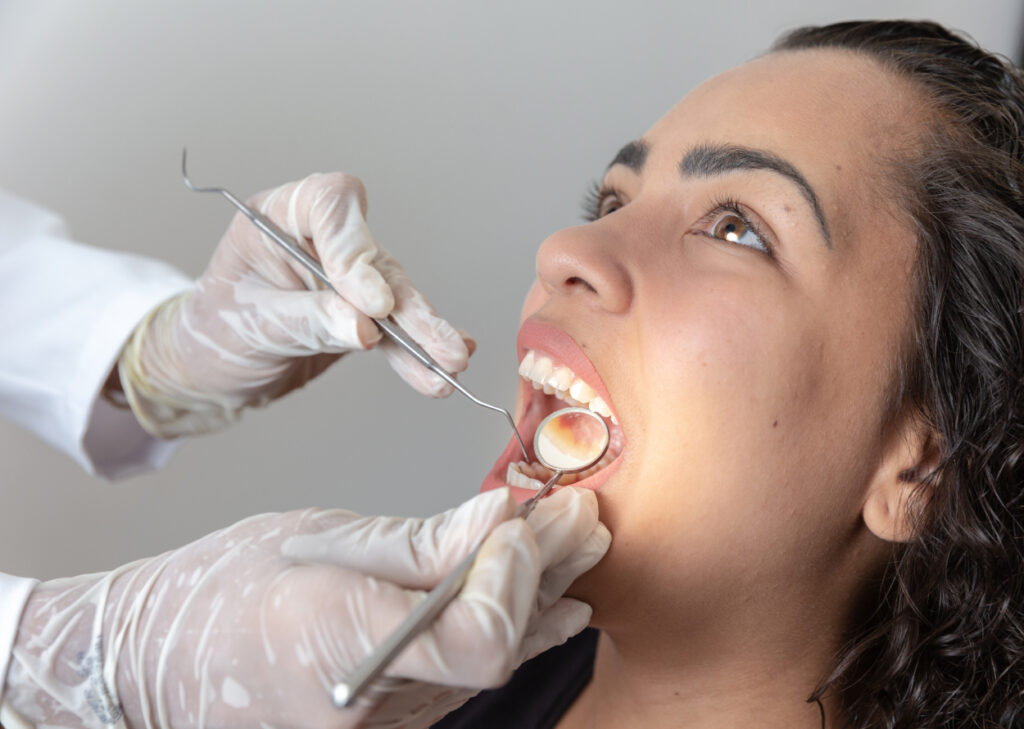
An office exam reveals more than a mirror ever can. Measuring pocket depths around each tooth, checking for bleeding points, assessing recession, reviewing X rays, and comparing findings over time gives a far more accurate picture than symptoms alone.
Prevention is less dramatic, but far more effective
The good news is that most gum disease is manageable, and much of it is preventable. Prevention is rarely glamorous. It is a matter of consistency, technique, and timely intervention.
A practical prevention strategy usually comes down to a few habits done well. Brush thoroughly twice a day with a soft-bristled brush. Clean between the teeth daily, using floss, picks, or interdental brushes suited to the spaces you actually have. Keep regular professional cleanings and exams, especially if you build tartar quickly or have a history of gum problems. If you smoke, stopping does more for your gums than most people realize. If you have diabetes, blood sugar control and gum control support each other.
Technique matters as much as frequency. I have seen patients brush three times a day and still leave a thick line of plaque right at the gumline because they scrub the centers of the teeth and miss the margins. I have also seen patients do beautifully with a simple electric toothbrush and small interdental brushes once they were shown exactly where they were missing.
What happens after treatment matters as much as the treatment itself
Periodontal therapy is not a one-time reset that grants permanent immunity. Gum disease can recur if the bacterial load builds up again and the risk factors remain in place. That is why maintenance is central to success.
After active treatment, many patients move to periodontal maintenance visits more often than the typical six-month cleaning cycle. For some, every three to four months is appropriate, especially in the first year. That interval is not arbitrary. It reflects how quickly harmful bacteria can repopulate and how much easier it is to control small changes before they become larger problems.
Long-term outcomes depend heavily on follow through. A patient with moderate periodontitis who quits smoking, keeps maintenance appointments, and cleans effectively at home may keep their teeth for decades. Another patient with similar initial findings who disappears for two years and returns with deep pockets and loose molars may face extractions. Same diagnosis, very different trajectory.
A note on fear, delay, and cost
Many people postpone care because they are worried about pain, embarrassed about the state of their mouth, or anxious about the expense. All of those feelings are common. Delay, however, usually raises the biological and financial cost. Gingivitis treated early may require little more than professional cleaning and improved home care. Established periodontitis may require scaling and root planing, periodontal maintenance, adjunctive therapies, or surgery. Advanced tooth loss can lead to far more complex decisions about replacement.
There is also an emotional cost to waiting. Patients often carry guilt over not coming in sooner, but shame does not treat disease. A practical next step does. Periodontal offices and general dental practices see these patterns every day. What matters is getting an accurate diagnosis and an honest plan.
Why this deserves attention before pain appears
Teeth can remain surprisingly comfortable while the structures around them are failing. That is perhaps the most important fact for patients to understand. Gum disease is often quiet until it is not. By the time pain or looseness forces action, the disease has usually been active for quite a while.
The earlier the inflammation is caught, the simpler the response. At the gingivitis stage, the tissues can often recover fully. Once periodontitis takes hold, the aim shifts to control and preservation rather than full reversal. That does not mean the outlook is bleak. It means timing matters.
Gum disease is caused by bacteria, yes, but the larger story includes habits, anatomy, health status, tobacco exposure, and the body’s inflammatory response. Periodontal Treatment becomes necessary when that process moves below the surface and starts damaging the attachment and bone that hold teeth in place. Catching it early is always better. Managing it thoroughly is always worth it.
Avra Dental
Address: 1708 S Victoria Ave B, Ventura, CA 93003
Phone number: (805) 941-1001
FAQ About Periodontal Treatment
Can a dentist get rid of periodontal disease?
A dentist or gum specialist (periodontist) cannot fully cure or reverse advanced periodontal disease (periodontitis), but they can successfully stop its progression and manage the infection.
Is periodontitis very serious?
Yes, periodontitis is a very serious, advanced form of gum disease that destroys the bone and tissues supporting your teeth.
How is stage 2 periodontal disease treated?
Stage 2 periodontal disease (early to moderate periodontitis) is primarily treated with non-surgical deep cleaning procedures like scaling and root planing to remove bacteria and tartar below the gumline.
Ends · EDUARDOSPQM544